




How to Verify the Hour Meter and Maintenance History on a Used Komatsu Excavator
Release time: 2026-05-06
Table of Contents
Introduction
When purchasing a used Komatsu excavator, one of the most important factors to evaluate is the machine’s actual operating hours and maintenance history. Whether you’re buying a Komatsu PC200, PC210, PC220, PC300, or any other model, the accuracy of the hour meter directly affects the machine’s value, remaining service life, and future maintenance costs.
Unfortunately, hour meter discrepancies and incomplete service records are among the most common concerns in the global used construction equipment market. A machine that appears to have low operating hours may actually have significantly more wear than advertised, leading to unexpected repairs and reduced productivity.
For contractors, equipment dealers, rental companies, and fleet managers, knowing how to verify a used Komatsu excavator’s hour meter and maintenance history is essential for making a smart investment.
In this guide, we’ll explain the most effective methods for verifying machine hours, identifying potential meter tampering, and reviewing maintenance records before purchasing a used Komatsu excavator.
Why Hour Meter Verification Matters
The hour meter functions similarly to a vehicle’s odometer. It records the total amount of time the engine has operated and serves as a key indicator of equipment usage.
Machine hours influence:
- Market value
- Remaining service life
- Maintenance schedules
- Resale potential
- Repair risks
- Financing and insurance assessments
For example, a Komatsu excavator with 5,000 verified hours may command a significantly higher price than a similar machine with 12,000 hours.
However, operating hours alone don’t tell the complete story. Proper maintenance is equally important.
A well-maintained 12,000-hour Komatsu excavator can often outperform a poorly maintained machine with only 6,000 hours.
Understanding Typical Komatsu Excavator Lifespans
Before evaluating a used machine, it helps to understand typical service life expectations.
Under normal operating conditions:
| Component | Expected Service Life |
|---|---|
| Engine | 10,000–20,000+ hours |
| Hydraulic Pumps | 8,000–15,000 hours |
| Swing Motor | 8,000–12,000 hours |
| Travel Motors | 8,000–12,000 hours |
| Undercarriage | 4,000–8,000 hours |
| Pins and Bushings | 3,000–7,000 hours |
A machine claiming extremely low hours should exhibit wear levels that correspond with those figures.
Step 1: Check the Hour Meter Display
Start by inspecting the hour meter itself.
Look for:
- Broken displays
- Missing segments on digital screens
- Scratches around the instrument panel
- Signs of replacement
- Loose dashboard components
Modern Komatsu excavators often use electronic monitoring systems that store operating data internally.
If the meter appears unusually new compared to the rest of the machine, this may indicate replacement or repair.
Warning Signs
Be cautious if:
- The display is noticeably newer than surrounding components.
- Hour readings seem unusually low for the machine’s age.
- Dashboard screws show signs of removal.
- Instrument panel fitment appears uneven.
These indicators do not automatically mean tampering occurred, but they warrant further investigation.
Step 2: Compare Hours with Machine Age
One of the simplest ways to identify inconsistencies is to compare the reported hours with the excavator’s manufacturing year.
A typical construction excavator operates:
- 1,000–2,500 hours annually
- 6–10 hours per day
- 150–300 days per year
For example:
| Machine Age | Typical Hours |
|---|---|
| 3 Years | 3,000–7,500 |
| 5 Years | 5,000–12,000 |
| 10 Years | 10,000–25,000 |
If a 10-year-old Komatsu excavator shows only 2,000 hours, buyers should investigate carefully.
While low-hour machines do exist, they are relatively uncommon in commercial construction environments.
Step 3: Inspect Wear Indicators Throughout the Machine
Physical wear often reveals more than the hour meter itself.
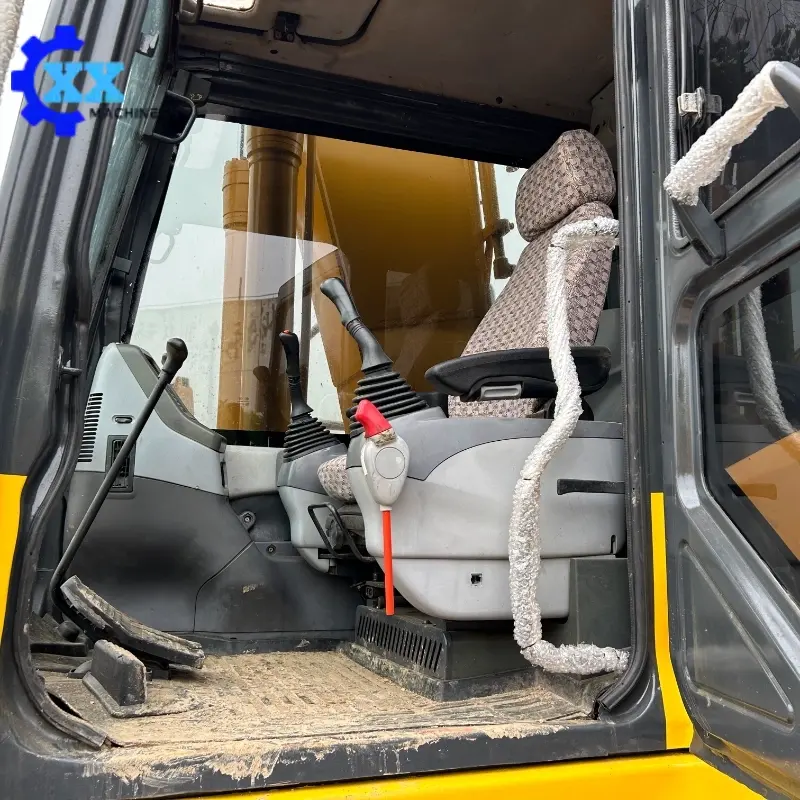
Cab Interior
Check:
- Seat condition
- Armrests
- Control joysticks
- Pedals
- Floor mats
- Door handles
Heavy wear in these areas may indicate extensive usage.
Excavator Attachment Wear
Inspect:
- Bucket teeth
- Bucket pins
- Boom bushings
- Arm joints
- Linkage assemblies
Machines with low claimed hours should not exhibit excessive wear in these components.
Undercarriage Inspection
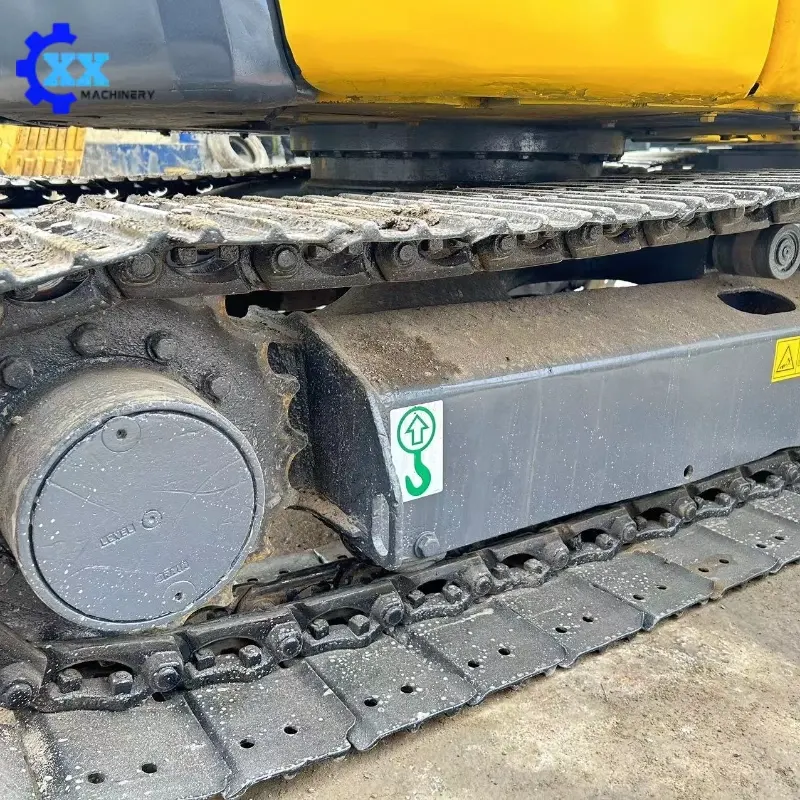
The undercarriage is one of the best indicators of actual machine usage.
Evaluate:
- Track chains
- Rollers
- Idlers
- Sprockets
- Track shoes
Severely worn undercarriage components combined with low reported hours may indicate inaccurate meter readings.
Step 4: Review Maintenance Records Carefully
Maintenance records provide valuable insight into a machine’s operational history.
Request documentation for:
- Engine oil changes
- Hydraulic oil services
- Filter replacements
- Fuel system maintenance
- Cooling system repairs
- Undercarriage replacements
- Major component rebuilds
A complete maintenance history demonstrates responsible ownership and helps verify operating hours.
What Good Records Should Include
Reliable service records typically contain:
- Service dates
- Recorded machine hours
- Technician signatures
- Repair invoices
- Parts replacement details
Review the records chronologically.
The hour readings should increase consistently over time.
Large gaps or unexplained discrepancies may indicate missing information.
Step 5: Verify Through Komatsu Service Networks
One of the most reliable verification methods involves contacting authorized Komatsu dealers.
Many Komatsu excavators receive maintenance through official dealer service centers.
Using the machine’s serial number, dealers may be able to confirm:
- Previous service history
- Warranty repairs
- Component replacements
- Inspection records
Although information availability varies by region, dealer records can provide valuable confirmation of reported machine hours.
Step 6: Use Diagnostic Software When Available
Modern Komatsu excavators often store operational data within onboard electronic control systems.
Qualified technicians may retrieve information such as:
- Engine operating hours
- Idle time
- Fuel consumption history
- Diagnostic fault codes
- Maintenance intervals
In some cases, electronic records can reveal discrepancies between displayed hours and actual machine usage.
This is one of the most effective methods for detecting hour meter manipulation.
Step 7: Request Third-Party Equipment Inspections
For international buyers, third-party inspections are strongly recommended.
Professional inspectors can evaluate:
- Mechanical condition
- Hydraulic performance
- Structural integrity
- Wear consistency
- Service documentation
Experienced inspectors often identify signs of excessive wear that may not match reported operating hours.
The cost of an inspection is minimal compared to the potential expense of purchasing a problematic machine.
Common Red Flags to Watch For
When evaluating a used Komatsu excavator, be cautious if you notice:
- Extremely low hours for machine age
- Missing maintenance records
- Recently replaced dashboards
- Excessive undercarriage wear
- Heavy bucket and linkage wear
- Inconsistent service documentation
- Unwillingness to provide serial numbers
- Refusal to allow inspections
These warning signs do not necessarily mean fraud has occurred, but they should prompt additional verification.
Best Practices When Buying a Used Komatsu Excavator
To minimize risk, follow these recommendations:
Always Verify the Serial Number
Confirm that the serial number matches:
- Machine documentation
- Ownership records
- Service records
- Export paperwork
Request Detailed Videos
Ask suppliers for videos showing:
- Engine startup
- Hydraulic operation
- Travel functions
- Instrument panel display
- Hour meter reading
Work with Reputable Suppliers
Established equipment exporters typically provide:
- Transparent inspection reports
- Maintenance documentation
- Serial number verification
- Export support
Reliable suppliers understand that trust is essential in international equipment transactions.
Conclusion
Verifying the hour meter and maintenance history of a used Komatsu excavator is one of the most important steps in the purchasing process. While operating hours provide valuable information about machine usage, they should never be evaluated in isolation.
By inspecting wear indicators, reviewing maintenance records, verifying serial numbers, consulting Komatsu service networks, and arranging professional inspections, buyers can confidently assess a machine’s true condition.
A well-maintained Komatsu excavator with verified operating hours can deliver years of dependable performance and excellent return on investment. Taking the time to perform proper due diligence before purchase can help you avoid costly surprises and ensure you acquire equipment that meets your operational needs.