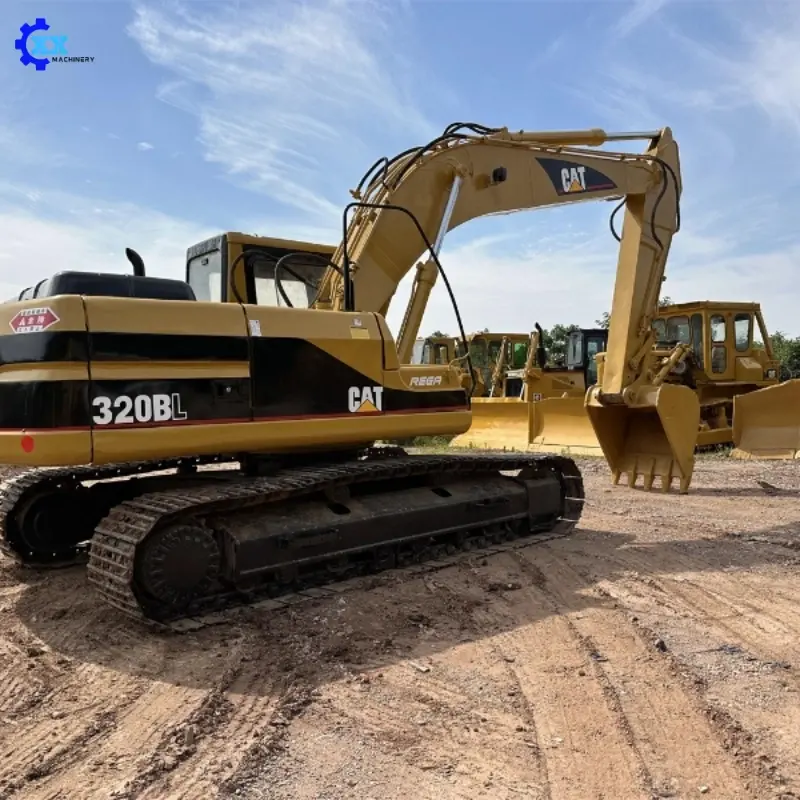





Comment vérifier le compteur horaire et l'historique d'entretien d'une pelle Komatsu d'occasion
Date de sortie : 06/05/2026
Table des matières
Introduction
Lors de l'achat d'une pelle Komatsu d'occasion, l'un des critères les plus importants à évaluer est le nombre d'heures de fonctionnement et l'historique d'entretien de la machine. Qu'il s'agisse d'une Komatsu PC200, PC210, PC220, PC300 ou de tout autre modèle, la précision du compteur horaire influe directement sur la valeur de la machine, sa durée de vie restante et les coûts d'entretien futurs.
Malheureusement, les incohérences au compteur horaire et les dossiers d'entretien incomplets figurent parmi les problèmes les plus fréquents sur le marché mondial des engins de chantier d'occasion. Une machine affichant un faible nombre d'heures de fonctionnement peut en réalité présenter une usure bien supérieure à celle annoncée, entraînant des réparations imprévues et une baisse de productivité.
Pour les entrepreneurs, les concessionnaires d'équipement, les sociétés de location et les gestionnaires de flottes, savoir comment vérifier le compteur horaire et l'historique d'entretien d'une pelle Komatsu d'occasion est essentiel pour réaliser un investissement judicieux.
Dans ce guide, nous expliquerons les méthodes les plus efficaces pour vérifier les heures de fonctionnement des machines, identifier les éventuelles fraudes aux compteurs et examiner les dossiers de maintenance avant leur mise en service. achat d'une pelle Komatsu d'occasion.
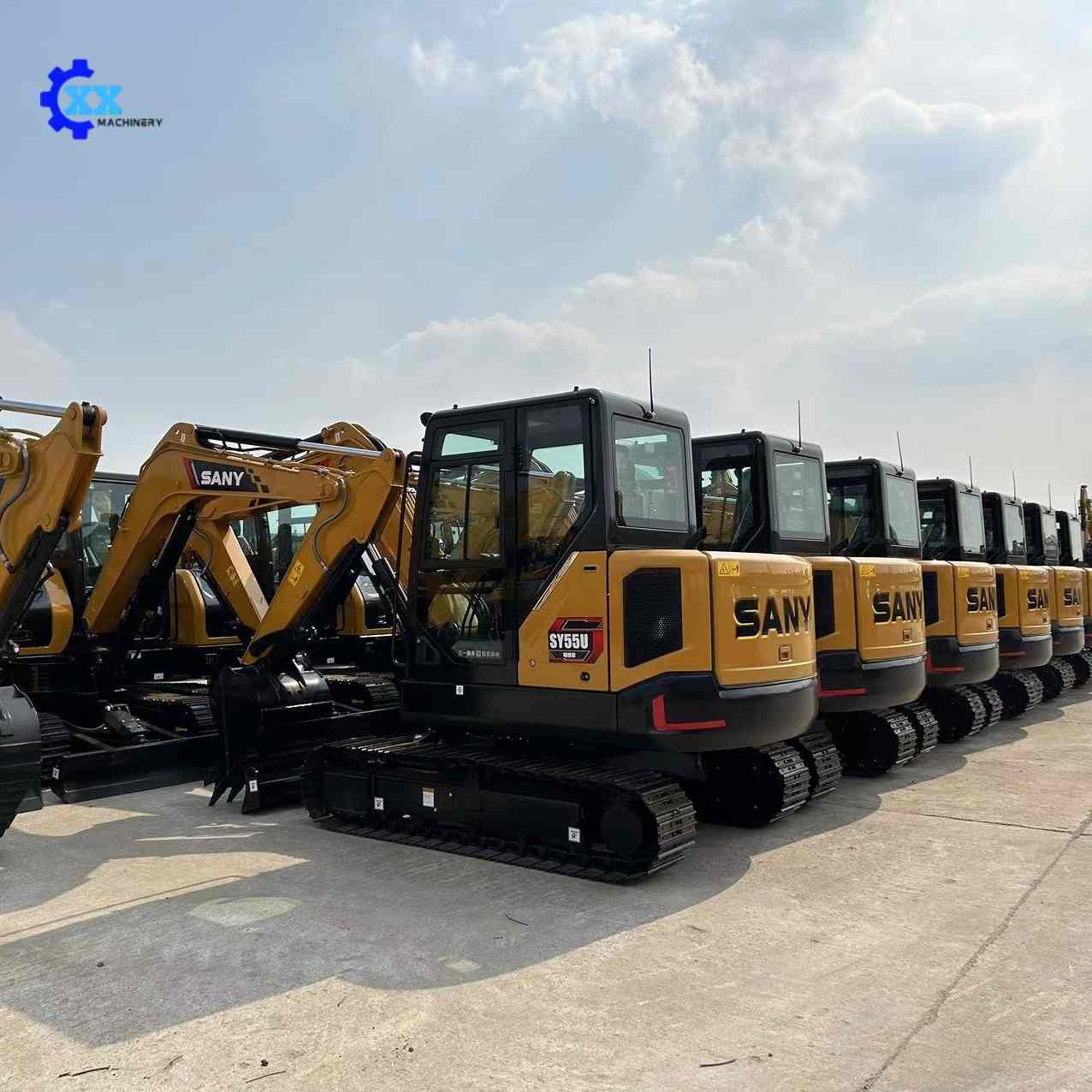
Pourquoi la vérification des compteurs horaires est importante
Le compteur horaire fonctionne de la même manière que le compteur kilométrique d'un véhicule. Il enregistre la durée totale de fonctionnement du moteur et constitue un indicateur clé de l'utilisation de l'équipement.
Influence des heures machine :
- Valeur marchande
- Durée de vie restante
- calendriers de maintenance
- potentiel de revente
- Risques liés à la réparation
- Évaluations de financement et d'assurance
Par exemple, une pelle Komatsu avec 5 000 heures vérifiées peut coûter beaucoup plus cher qu’une machine similaire avec 12 000 heures.
Cependant, les heures de fonctionnement ne suffisent pas à elles seules. Un entretien régulier est tout aussi important.
Une pelle Komatsu bien entretenue, affichant 12 000 heures de fonctionnement, peut souvent être plus performante qu'une machine mal entretenue n'ayant que 6 000 heures.
Comprendre la durée de vie typique des pelles Komatsu
Avant d'évaluer une machine d'occasion, il est utile de comprendre sa durée de vie typique.
Dans des conditions normales de fonctionnement :
| Composant | Durée de vie prévue |
|---|---|
| Moteur | 10 000 à 20 000+ heures |
| Pompes hydrauliques | 8 000 à 15 000 heures |
| Moteur oscillant | 8 000 à 12 000 heures |
| Moteurs de voyage | 8 000 à 12 000 heures |
| Châssis | 4 000 à 8 000 heures |
| Goupilles et bagues | 3 000 à 7 000 heures |
Une machine affichant un nombre d'heures d'utilisation extrêmement faible devrait présenter des niveaux d'usure correspondant à ces chiffres.
Étape 1 : Vérifiez l'affichage du compteur horaire
Commencez par examiner le compteur horaire lui-même.
Rechercher:
- Écrans cassés
- Segments manquants sur les écrans numériques
- Rayures autour du tableau de bord
- Signes de remplacement
- Composants de tableau de bord détachés
Les pelles Komatsu modernes utilisent souvent des systèmes de surveillance électroniques qui stockent les données de fonctionnement en interne.
Si le compteur paraît anormalement neuf par rapport au reste de la machine, cela peut indiquer un remplacement ou une réparation.
Panneaux d'avertissement
Soyez prudent si :
- L'écran est nettement plus récent que les composants environnants.
- Les relevés horaires semblent anormalement bas pour l'âge de la machine.
- Les vis du tableau de bord présentent des signes de démontage.
- L'ajustement du tableau de bord semble irrégulier.
Ces indicateurs ne signifient pas automatiquement qu'une falsification a eu lieu, mais ils justifient une enquête plus approfondie.
Étape 2 : Comparer le nombre d’heures d’utilisation à l’âge de la machine
L'un des moyens les plus simples d'identifier les incohérences consiste à comparer les heures déclarées avec l'année de fabrication de la pelle mécanique.
Une pelle mécanique de chantier typique fonctionne comme suit :
- 1 000 à 2 500 heures par an
- 6 à 10 heures par jour
- 150 à 300 jours par an
Par exemple:
| L'ère des machines | Horaires habituels |
|---|---|
| 3 ans | 3 000 à 7 500 |
| 5 ans | 5 000 à 12 000 |
| 10 ans | 10 000 à 25 000 |
Si une pelle Komatsu de 10 ans n'affiche que 2 000 heures au compteur, les acheteurs doivent examiner attentivement son état.
Bien que des machines ayant peu d'heures de fonctionnement existent, elles sont relativement rares dans les environnements de construction commerciale.
Étape 3 : Inspecter les indicateurs d’usure sur l’ensemble de la machine
L'usure physique révèle souvent plus que le compteur horaire lui-même.
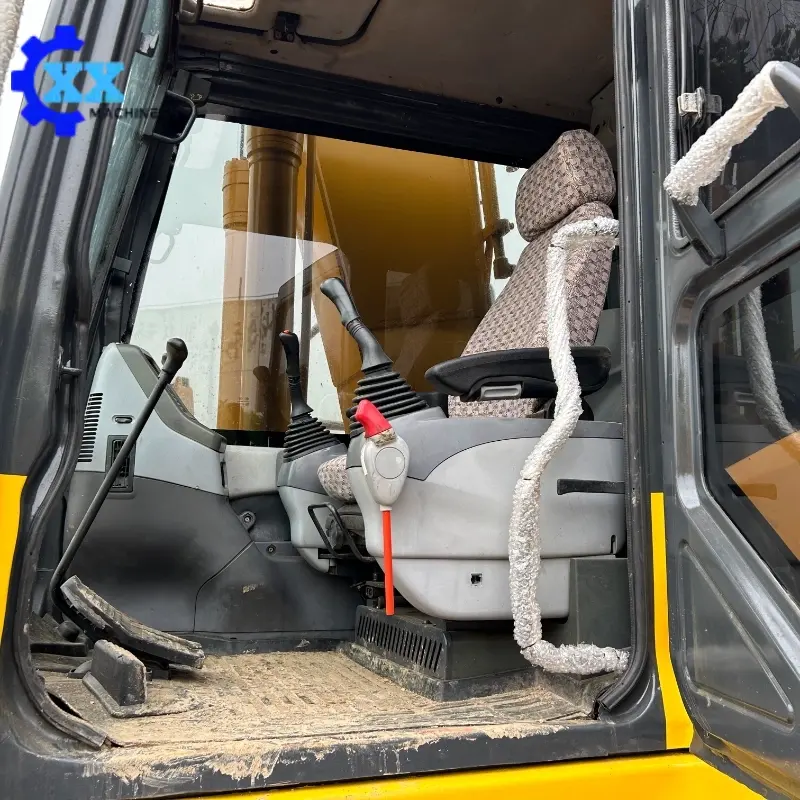
Intérieur de la cabine
Vérifier:
- État du siège
- Accoudoirs
- manettes de contrôle
- Pédales
- tapis de sol
- poignées de porte
Une usure importante dans ces zones peut indiquer une utilisation intensive.
Usure des accessoires d'excavatrice
Inspecter:
- dents de seau
- goupilles de seau
- bagues de flèche
- articulations du bras
- Assemblages de liaison
Les machines affichant un faible nombre d'heures d'utilisation déclarées ne devraient pas présenter d'usure excessive au niveau de ces composants.
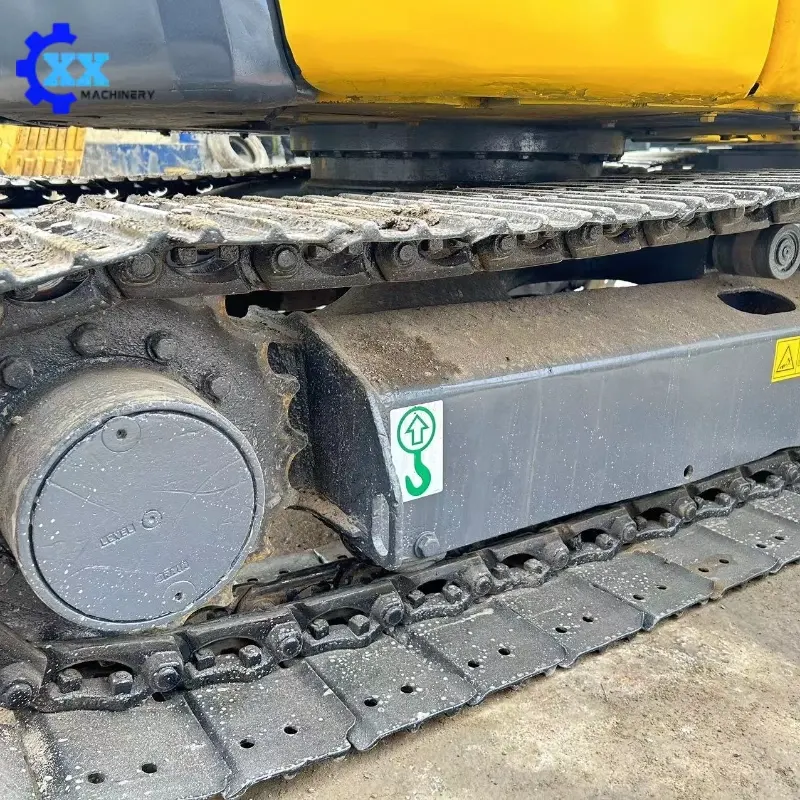
Inspection du train d'atterrissage
Le train de roulement est l'un des meilleurs indicateurs de l'utilisation réelle de la machine.
Évaluer:
- Chaînes de chenilles
- Rouleaux
- Les fainéants
- Pignons
- Chaussures de piste
Des composants du train de roulement fortement usés, associés à un faible nombre d'heures enregistrées, peuvent indiquer des relevés de compteur inexacts.
Étape 4 : Examiner attentivement les dossiers de maintenance
Les dossiers de maintenance fournissent des informations précieuses sur l'historique de fonctionnement d'une machine.
Demande de documentation pour :
- vidanges d'huile moteur
- Services d'huile hydraulique
- Remplacement des filtres
- entretien du système d'alimentation
- Réparation des systèmes de refroidissement
- remplacement du train de roulement
- reconstructions majeures des composants
Un historique complet de l'entretien témoigne du sérieux du propriétaire et permet de vérifier les heures de fonctionnement.
Que doivent contenir de bons documents ?
Les dossiers d'entretien fiables contiennent généralement :
- Dates de service
- Heures machine enregistrées
- Signatures des techniciens
- factures de réparation
- Détails du remplacement des pièces
Examinez les documents par ordre chronologique.
Les relevés horaires devraient augmenter de façon constante au fil du temps.
Des écarts importants ou des incohérences inexpliquées peuvent indiquer des informations manquantes.
Étape 5 : Vérifier auprès des réseaux de service Komatsu
L'une des méthodes de vérification les plus fiables consiste à contacter les concessionnaires Komatsu agréés.
De nombreuses pelles Komatsu bénéficient d'un entretien assuré par les centres de service agréés des concessionnaires.
Grâce au numéro de série de la machine, les revendeurs pourront peut-être confirmer :
- Historique d'entretien précédent
- réparations sous garantie
- Remplacement de composants
- Rapports d'inspection
Bien que la disponibilité des informations varie selon les régions, les registres des concessionnaires peuvent fournir une confirmation précieuse des heures d'utilisation des machines déclarées.
Étape 6 : Utiliser un logiciel de diagnostic lorsqu’il est disponible
Les pelles Komatsu modernes stockent souvent les données opérationnelles dans des systèmes de commande électroniques embarqués.
Les techniciens qualifiés peuvent récupérer des informations telles que :
- heures de fonctionnement du moteur
- Temps d'inactivité
- Historique de la consommation de carburant
- codes de défaut de diagnostic
- intervalles de maintenance
Dans certains cas, les enregistrements électroniques peuvent révéler des écarts entre les heures affichées et l'utilisation réelle de la machine.
Il s'agit de l'une des méthodes les plus efficaces pour détecter la manipulation des compteurs horaires.
Étape 7 : Demander des inspections d'équipement par un tiers
Pour les acheteurs internationaux, les inspections par un tiers sont fortement recommandées.
Les inspecteurs professionnels peuvent évaluer :
- État mécanique
- performances hydrauliques
- Intégrité structurelle
- Cohérence de l'usure
- Documentation de service
Les inspecteurs expérimentés repèrent souvent des signes d'usure excessive qui peuvent ne pas correspondre aux heures de fonctionnement déclarées.
Le coût d'une inspection est minime comparé aux dépenses potentielles liées à l'achat d'une machine défectueuse.
Signes d'alerte courants à surveiller
Lors de l'évaluation d'un pelle Komatsu d'occasion, soyez prudent si vous remarquez :
- Nombre d'heures extrêmement bas pour l'âge de la machine
- Dossiers d'entretien manquants
- tableaux de bord récemment remplacés
- Usure excessive du train de roulement
- Usure importante du godet et de la tringlerie
- Documentation de service incohérente
- Refus de fournir les numéros de série
- Refus d'autoriser les inspections
Ces signes avant-coureurs ne signifient pas nécessairement qu'une fraude a eu lieu, mais ils doivent inciter à des vérifications supplémentaires.
Meilleures pratiques lors de l'achat d'une pelle Komatsu d'occasion
Pour minimiser les risques, suivez ces recommandations :
Vérifiez toujours le numéro de série
Vérifiez que le numéro de série correspond :
- Documentation machine
- Registres de propriété
- Dossiers de service
- Documents d'exportation
Demander des vidéos détaillées
Demandez aux fournisseurs des vidéos montrant :
- Démarrage du moteur
- Fonctionnement hydraulique
- Fonctions de voyage
- Affichage du tableau de bord
- lecture du compteur horaire
Travaillez avec des fournisseurs réputés
Les exportateurs d'équipements établis fournissent généralement :
- rapports d'inspection transparents
- Documentation de maintenance
- vérification du numéro de série
- Soutien à l'exportation
Les fournisseurs fiables savent que la confiance est essentielle dans les transactions internationales d'équipement.
Conclusion
Vérifier le compteur horaire et l'historique d'entretien d'une pelle Komatsu d'occasion est une étape cruciale du processus d'achat. Bien que les heures de fonctionnement fournissent des informations précieuses sur l'utilisation de la machine, elles ne doivent jamais être considérées isolément.
En inspectant les indicateurs d'usure, en consultant les dossiers d'entretien, en vérifiant les numéros de série, en consultant les réseaux de service Komatsu et en organisant des inspections professionnelles, les acheteurs peuvent évaluer avec confiance l'état réel d'une machine.
A pelle Komatsu en bon état Un équipement dont le nombre d'heures de fonctionnement est vérifié peut garantir des années de performances fiables et un excellent retour sur investissement. Prendre le temps d'effectuer les vérifications nécessaires avant l'achat vous permettra d'éviter des surprises coûteuses et de vous assurer d'acquérir un équipement adapté à vos besoins opérationnels.