




Cinco señales de alerta a tener en cuenta al comprar maquinaria de construcción usada procedente de China.
Fecha de lanzamiento: 6 de abril de 2026
Tabla de contenido
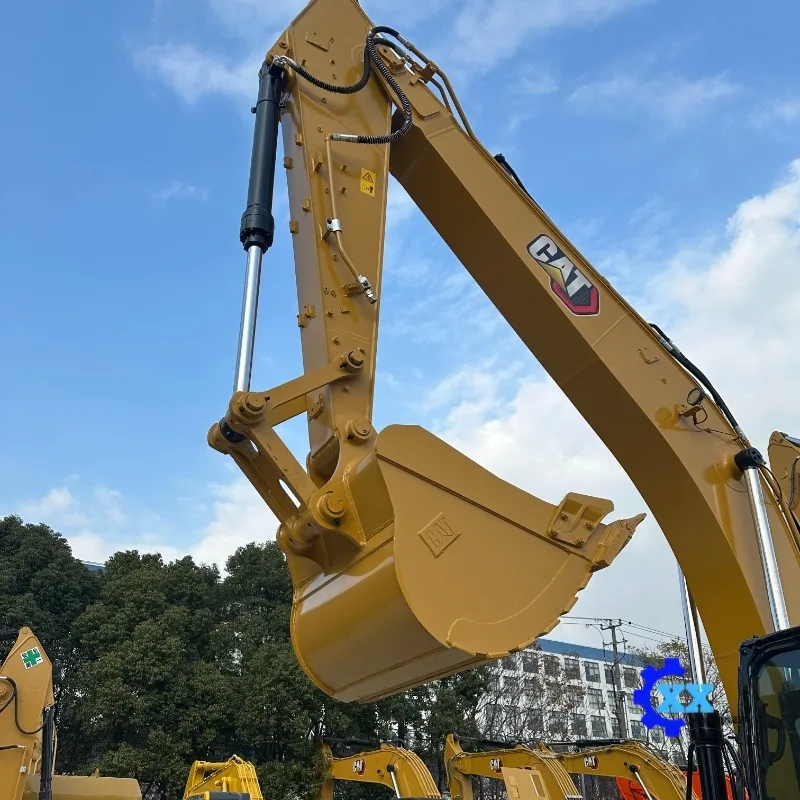
Introducción
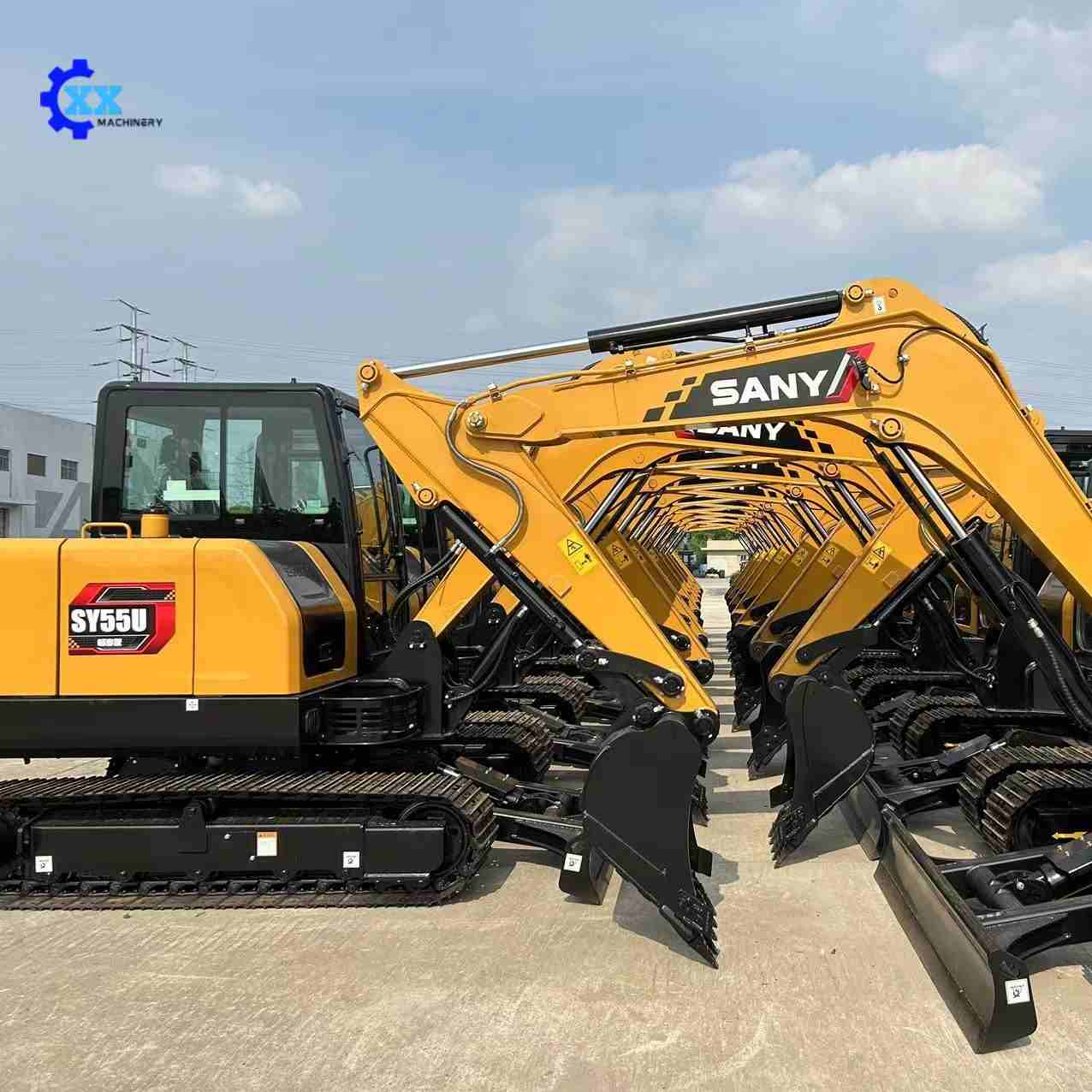
China se ha convertido en uno de los mayores proveedores mundiales de maquinaria de construcción usada, suministrando excavadoras, cargadoras de ruedas, bulldozers, apisonadoras, grúas y retroexcavadoras a compradores de todo el sudeste asiático, África, Oriente Medio, Sudamérica y Europa del Este. Los precios competitivos, la amplia selección de marcas y el abundante inventario hacen de China un mercado atractivo para contratistas, empresas de alquiler y distribuidores de equipos que buscan ampliar sus flotas controlando los costes.
Sin embargo, compra de equipos de construcción usados Las compras internacionales también conllevan riesgos. Si bien muchos proveedores de renombre ofrecen maquinaria de alta calidad a precios excelentes, algunos vendedores pueden falsear el estado del equipo, su historial de mantenimiento o sus horas de funcionamiento. No identificar posibles problemas antes de la compra puede ocasionar reparaciones costosas, retrasos en los proyectos y tiempos de inactividad inesperados.
Para ayudar a los compradores a tomar decisiones informadas, este artículo destaca cinco señales de alerta importantes que deben tenerse en cuenta al comprar maquinaria de construcción usada procedente de China.
1. Precios irrealmente bajos
Una de las principales señales de alerta es un precio que parece significativamente inferior a la media del mercado.
Si bien todos queremos una buena oferta, los precios extremadamente bajos a menudo indican problemas ocultos como:
- Daños estructurales graves
- Problemas graves en el motor
- Fallos en el sistema hidráulico
- Historial de mantenimiento deficiente
- Reparaciones derivadas de accidentes
- Piezas de repuesto no originales
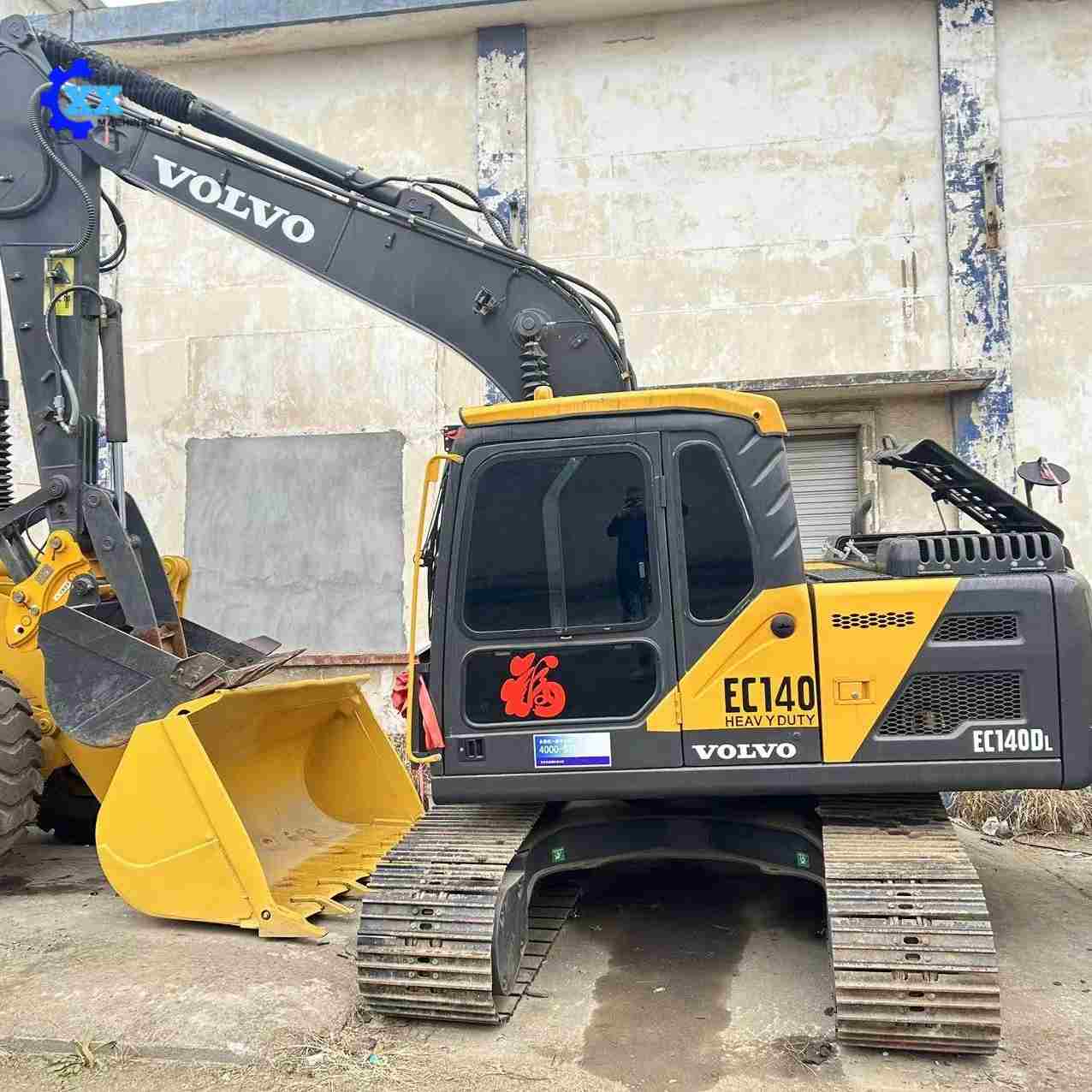
Por ejemplo, si una excavadora usada de una marca conocida como Caterpillar, Komatsu, Hitachi o Volvo se anuncia entre 30% y 50% por debajo del precio típico del mercado, los compradores deberían investigar detenidamente.
Qué hacer
Antes de realizar una compra:
- Compara precios de varios proveedores.
- Solicite las especificaciones detalladas del equipo.
- Solicite los informes de inspección recientes.
- Verifique la antigüedad de la máquina y las horas de funcionamiento.
- Revisar los registros de reparaciones y mantenimiento.
Un proveedor de confianza debería poder explicar claramente por qué una máquina tiene un precio inferior al de unidades similares.
Recuerda: si una oferta parece demasiado buena para ser verdad, probablemente lo sea.
2. Documentación de la máquina incompleta o inconsistente
La documentación desempeña un papel fundamental a la hora de verificar la legitimidad y el estado de los equipos de construcción usados.
Los vendedores confiables deben proporcionar:
- Número de serie de la máquina
- VIN (Número de Identificación del Vehículo)
- Número de motor
- Documentos de exportación
- Registros de propiedad
- Registros de mantenimiento
- Informes de inspección
Una señal de alerta importante se produce cuando la placa del número de serie falta, está dañada, alterada o no coincide con los registros oficiales.
En algunos casos, las máquinas pueden haber sufrido modificaciones no autorizadas o reemplazos de componentes que dificultan su identificación. La falta de documentación también puede generar problemas en el despacho de aduanas durante el envío internacional.
Qué hacer
Siempre solicita:
- Fotografías nítidas de las placas de números de serie.
- Etiquetas de identificación del motor
- Documentos de registro de equipos
- Certificados de exportación
- Documentos de verificación de propiedad
Verifique la información proporcionada para asegurarse de que todos los registros coincidan.
Un proveedor de confianza nunca dudará en compartir la documentación legítima.
3. Señales de reparaciones estructurales importantes
Maquinaria de construcción usada Es natural que sufra desgaste. Sin embargo, las reparaciones estructurales excesivas pueden indicar accidentes previos o condiciones de funcionamiento extremadamente adversas.
Las áreas clave a inspeccionar incluyen:
excavadoras
- Auge
- Brazo
- Mecanismo de la cuchara
- Tren de aterrizaje
- Plataforma de columpios
Cargadoras de ruedas
- Brazos de carga
- Articulaciones
- Bastidor del chasis
Bulldozers
- Marco principal
- Soportes de cuchillas
- Conjuntos de vías
Buscar:
- Pintura fresca cubriendo las soldaduras
- Líneas de soldadura irregulares
- Grietas alrededor de los puntos de tensión
- Estructuras dobladas
- Corrosión durante el repintado
- Placas de acero reforzado
Algunos vendedores repintan la maquinaria para mejorar su aspecto y ocultar los daños.
Qué hacer
Pedido:
- Fotos de alta resolución
- Vídeos detallados de recorridos por el lugar.
- Imágenes de primer plano de componentes estructurales
- Informes de inspección de terceros
Si es posible, solicite una inspección independiente antes de formalizar el pago.
Detectar los daños estructurales a tiempo puede ahorrar miles de dólares en futuros costes de reparación.
4. Horario de funcionamiento sospechosamente bajo
Las horas de funcionamiento de la máquina se utilizan a menudo para estimar el desgaste del equipo y su vida útil restante.
Lamentablemente, la manipulación del contador de horas sigue siendo uno de los problemas más comunes en el mercado mundial de equipos usados.
Por ejemplo:
- Una excavadora de 10 años con tan solo 2.000 horas de uso puede resultar sospechosa.
- Una máquina muy desgastada con un número de horas de uso inusualmente bajo puede indicar que el contador ha sido reemplazado o manipulado.
El horario de funcionamiento debe coincidir con:
- La era de las máquinas
- Desgaste de los componentes
- Registros de mantenimiento
- Estado general de la máquina
Señales de advertencia
- Desgaste excesivo de los asientos
- Pedales y controles desgastados
- Mecanismos de joystick sueltos
- Desgaste significativo en los cubos
- Tren de rodaje muy desgastado
- Interior de cabina descolorido
Estos indicadores pueden sugerir que las horas de funcionamiento reales son mucho mayores que las declaradas.
Qué hacer
Solicitar a los proveedores lo siguiente:
- Registros de mantenimiento
- Registros de servicio
- Informes de diagnóstico
- Datos del módulo de control del motor (cuando estén disponibles)
Los inspectores experimentados a menudo pueden estimar si las horas mostradas coinciden con el estado físico de la máquina.
Nunca se fíe únicamente de la lectura del contador de horas al evaluar equipos usados.
5. Falta de vídeos de inspección o demostraciones en vivo de los equipos.
En el mercado digital actual, los exportadores de maquinaria de buena reputación deberían poder proporcionar pruebas visuales exhaustivas del estado de los equipos.
Si un proveedor se niega a proporcionar:
- Vídeos detallados
- inspecciones por vídeo en directo
- Demostraciones de arranque del motor
- Pruebas de funcionamiento hidráulico
- Pruebas a pie o en coche
Debes proceder con precaución.
Un proveedor de confianza suele valorar la transparencia y comprende que los compradores internacionales necesitan una verificación adicional antes de realizar una compra.
Vídeos esenciales para solicitar
excavadoras
- Arranque del motor
- Operación de pluma
- Función de balanceo
- Prueba de viaje
- Rendimiento hidráulico
Cargadoras de ruedas
- Prueba de elevación de cubos
- Operación de dirección
- Demostración de conducción
- Rendimiento de la transmisión
Apisonadoras
- Prueba de vibración del tambor
- Operación de viajes
- Funciones hidráulicas
Bulldozers
- Movimiento de la cuchilla
- Operación de vía
- Rendimiento del motor
Qué hacer
Solicite una inspección por videollamada en tiempo real utilizando:
- Zoom
- Microsoft Teams
- Google Meet
Las demostraciones en vivo reducen significativamente el riesgo de adquirir equipos que difieran de las especificaciones anunciadas.
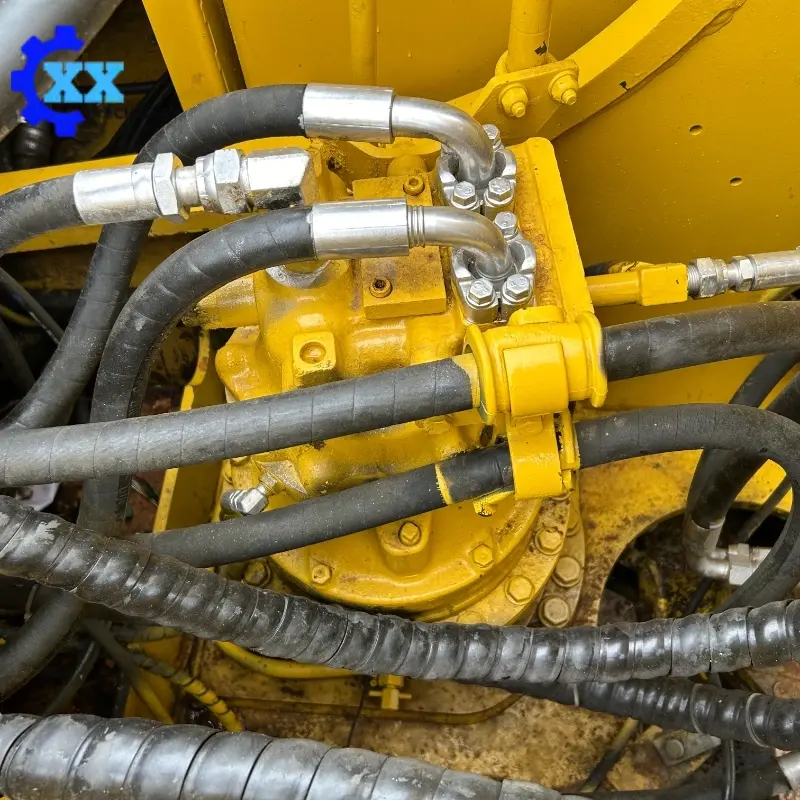
Consejos adicionales para comprar maquinaria de construcción usada en China.
Además de evitar estas señales de alerta, los compradores deben seguir varias buenas prácticas:
Trabaje con exportadores establecidos.
Elija proveedores que tengan:
- Años de experiencia en exportación
- Reseñas positivas de los clientes
- Capacidades de envío internacional
- Procedimientos de inspección profesional
Solicitar inspecciones de terceros
Las inspecciones independientes proporcionan evaluaciones imparciales de:
- Estado mecánico
- Integridad estructural
- Rendimiento hidráulico
- Cumplimiento de las normas de seguridad
Verificar la disponibilidad de repuestos
Antes de comprar, confirme que las piezas de repuesto y el servicio de asistencia técnica están disponibles en su país.
Las marcas más populares, como Caterpillar, Komatsu, Hitachi, Volvo, Hyundai, Doosan y SDLG, suelen ofrecer una mejor disponibilidad de repuestos a nivel mundial.
Entienda los costos de envío
Calcular:
- Precio del equipo
- Transporte terrestre
- cargos portuarios
- flete marítimo
- aranceles de importación
- Tasas aduaneras
Un precio bajo de la máquina no siempre se traduce en el menor coste total de propiedad.
Conclusión
China sigue siendo uno de los mercados más atractivos para la adquisición de maquinaria de construcción usada gracias a su amplio inventario, precios competitivos y capacidad de exportación global. Sin embargo, los compradores deben realizar una exhaustiva investigación antes de cualquier compra.
Las cinco principales señales de alerta a tener en cuenta son:
- Precios irrealmente bajos
- Documentación faltante o inconsistente
- Evidencia de reparaciones estructurales importantes
- Horario de funcionamiento sospechosamente bajo
- Falta de vídeos de inspección o demostraciones en vivo.
Al evaluar cuidadosamente a los proveedores, verificar el historial de la maquinaria y realizar inspecciones profesionales, los compradores pueden minimizar los riesgos y garantizar la seguridad. Equipos de construcción usados y confiables que aporta valor y productividad a largo plazo.
Tanto si va a comprar una excavadora, una cargadora de ruedas, una topadora, una apisonadora o una retroexcavadora usadas, tomarse el tiempo necesario para identificar estas señales de advertencia puede ayudarle a proteger su inversión y garantizar una experiencia de importación exitosa.