




أفضل 5 جرافات ذات عجلات مستعملة للتعدين واستخراج المحاجر في عام 2026
تاريخ الإصدار: 2026-06-04
جدول المحتويات
مقدمة
تتطلب عمليات التعدين واستخراج المحاجر بعضًا من أقوى المعدات وأكثرها إنتاجية في قطاع البناء. سواءً أكان ذلك تحميل الصخور المتفجرة، أو تغذية الكسارات، أو مناولة الركام، أو تحميل شاحنات النقل، فإن اللوادر ذات العجلات تلعب دورًا حاسمًا في الحفاظ على الإنتاجية والربحية.
مع ذلك، قد يتطلب شراء جرافة تعدين جديدة استثمارًا رأسماليًا كبيرًا. ونتيجة لذلك، يتجه العديد من مشغلي المحاجر ومقاولي التعدين إلى سوق المعدات المستعملة للحصول على آلات موثوقة بتكاليف أقل بكثير.
في عام 2026، سيظل السوق العالمي للجرافات ذات العجلات المستعملة قوياً، لا سيما بالنسبة للطرازات المجربة من شركات كاتربيلر، وكوماتسو، وفولفو، وغيرها من الشركات المصنعة الرائدة. أفضل أنواع اللوادر ذات العجلات المستعملة تجمع بين المتانة، وقوة الاختراق العالية، وكفاءة استهلاك الوقود، وتوافر قطع الغيار، وقيمة إعادة البيع القوية.
في هذا الدليل، سنقوم بفحص أفضل خمس جرافات ذات عجلات مستعملة للتعدين واستخراج المحاجر في عام 2026، وسنشرح لماذا لا تزال مفضلة لدى المشغلين في جميع أنحاء العالم.
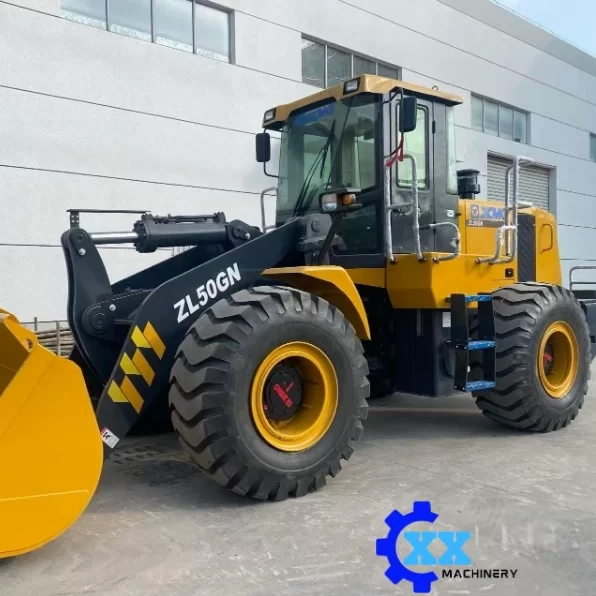
ما الذي يجعل الجرافة ذات العجلات جيدة للتعدين أو المحاجر؟
قبل اختيار جرافة ذات عجلات مستعملة، ينبغي على المشترين تقييم عدة عوامل رئيسية:
سعة التحميل
تتطلب تطبيقات التعدين والمحاجر سعات كبيرة للجرافات وقدرات حمولة عالية لزيادة الإنتاجية إلى أقصى حد.
متانة
تواجه الآلات العاملة في محاجر الصخور ظروفاً قاسية، بما في ذلك المواد الكاشطة والتضاريس غير المستوية وساعات التشغيل الطويلة.
كفاءة استهلاك الوقود
لا يزال الوقود أحد أكبر النفقات التشغيلية لمشغلي المحاجر. ويمكن للآلات الفعالة أن تحقق وفورات كبيرة على المدى الطويل.
توافر قطع الغيار
سهولة الوصول إلى قطع الغيار تقلل من وقت التوقف عن العمل وتكاليف الصيانة.
قيمة إعادة البيع
غالباً ما تحتفظ الآلات من العلامات التجارية المعروفة بقيمتها بشكل أفضل في سوق المعدات المستعملة.
تُصنف النماذج التالية باستمرار ضمن أفضل الخيارات لعمليات التعدين واستخراج المحاجر.
1. كاتربيلر 980H - أفضل جرافة ذات عجلات مستعملة للمحاجر بشكل عام
لا تزال جرافة كاتربيلر 980H واحدة من أكثر الجرافات ذات العجلات المستعملة رواجاً في صناعة التعدين ومواد البناء.
صُممت آلة التحميل 980H خصيصاً لتطبيقات التحميل عالية الإنتاج، وهي توفر قوة كسر ممتازة، وسعة دلو رائعة، وموثوقية مثبتة.
المزايا الرئيسية
- أداء تحميل قوي
- شبكة دعم ممتازة من الوكلاء
- قيمة إعادة بيع عالية
- مكونات متينة لنظام نقل الحركة
- مناسب لتحميل واجهة المحجر
يعتبر العديد من مشغلي المحاجر سلسلة CAT 980 المعيار الصناعي لتحميل الإنتاج المتوسط إلى الكبير. ويشيد المشغلون باستمرار براحة الآلة، ووضوح الرؤية، وإنتاجيتها في بيئات المحاجر.
أفضل التطبيقات
- محاجر الحجر الجيري
- محاجر الجرانيت
- مصانع التجميع
- التعامل مع المواد الثقيلة
- عمليات تحميل الشاحنات
لماذا تشتري المستعمل؟
يمكن أن تكلف آلة CAT 980H المستعملة في كثير من الأحيان ما بين 40% و 60% أقل من آلة جديدة مماثلة مع توفير سنوات من الخدمة الموثوقة.
2. كوماتسو WA500-6 / WA500-8 – أفضل قيمة مقابل المال
أصبحت سلسلة Komatsu WA500 واحدة من أكثر اللوادر ذات العجلات شعبية في عمليات المحاجر وتجميع المواد في جميع أنحاء العالم.
تُسوّق شركة كوماتسو جرافة WA500 خصيصًا لتطبيقات التحميل الإنتاجي واستخراج المواد في المحاجر، مع التركيز على القوة والمتانة وكفاءة استهلاك الوقود. تتميز جرافة WA500-8 بسعة دلو تصل إلى 7.0 متر مكعب وقوة تقارب 353 حصانًا، مما يجعلها مناسبة تمامًا لعمليات التحميل ذات الأحجام الكبيرة.
المزايا الرئيسية
- كفاءة ممتازة في استهلاك الوقود
- قوة اختراق هائلة
- نظام نقل حركة موثوق
- انخفاض تكاليف الصيانة
- أداء هيدروليكي قوي
يشيد مستخدمو الصناعة بانتظام بطول عمر جرافات WA500، حيث تتجاوز بعض الآلات 30000 ساعة تشغيل عند صيانتها بشكل صحيح.
أفضل التطبيقات
- الإنتاج الإجمالي
- تحميل مخزون المحجر
- عمليات الرمل والحصى
- أعمال دعم التعدين
لماذا تشتري المستعمل؟
غالباً ما توفر آلة WA500 تكلفة إجمالية أقل للملكية مقارنة بالمنافسين المماثلين مع الحفاظ على إنتاجية ممتازة.
3. فولفو L220H – أفضل جرافة ذات عجلات موفرة للوقود
اكتسبت سلسلة سيارات فولفو L220 سمعة طيبة بفضل الجمع بين الإنتاجية وكفاءة استهلاك الوقود.
بالنسبة لمشغلي المحاجر الذين يواجهون ارتفاع تكاليف الوقود، فإن L220H يوفر توازناً مقنعاً بين أداء التحميل ونفقات التشغيل.
المزايا الرئيسية
- نظام نقل الحركة الموفر للوقود
- مقصورة قيادة مريحة للسائق
- أنظمة هيدروليكية متطورة
- رؤية ممتازة
- موثوقية عالية
تتميز الآلة بأداء جيد بشكل خاص في دورات التحميل المتكررة الشائعة في عمليات تجميع المواد واستخراج المحاجر.
أفضل التطبيقات
- تحميل المحجر
- مرافق إعادة التدوير
- مخزونات المواد
- مصانع معالجة الركام
لماذا تشتري المستعمل؟
غالباً ما توفر جرافات فولفو ذات العجلات المستعملة أسعاراً جذابة مع الاحتفاظ بالعديد من المزايا التكنولوجية الموجودة في الطرازات الأحدث.
4. كاتربيلر 966H - أفضل جرافة محاجر متوسطة الحجم
لا يتطلب كل محجر جرافة ضخمة ذات عجلات.
بالنسبة للعمليات الصغيرة، لا تزال حفارة كاتربيلر 966H واحدة من أكثر الخيارات تنوعًا وفعالية من حيث التكلفة المتاحة.
المزايا الرئيسية
- انخفاض تكاليف التشغيل
- أداء حفر قوي
- توافر ممتاز لقطع الغيار
- سهولة الصيانة
- موثوقية مثبتة
يحظى طراز 966H بشعبية خاصة بين مشغلي المحاجر والمقاولين الإقليميين الذين يتولون مهام التحميل المختلطة.
أفضل التطبيقات
- المحاجر الصغيرة إلى المتوسطة
- مصانع الأسفلت
- ساحات مواد البناء
- حفر الرمل
لماذا تشتري المستعمل؟
توفر CAT 966H تنوعًا استثنائيًا بتكلفة اقتناء معقولة مقارنة بالرافعات الإنتاجية الأكبر حجمًا.
5. كوماتسو WA470-6 – الأفضل لعمليات التجميع
أصبحت آلة Komatsu WA470-6 مفضلة لدى منتجي مواد البناء الذين يسعون إلى تحقيق التوازن بين الحجم والأداء وكفاءة استهلاك الوقود.
على الرغم من صغر حجمها مقارنة بسلسلة WA500، إلا أن WA470 لا تزال منتجة للغاية للعديد من تطبيقات المحاجر.
المزايا الرئيسية
- استهلاك الوقود بكفاءة
- انخفاض تكاليف الصيانة
- قدرة رفع قوية
- نظام هيدروليكي موثوق
- بيئة عمل مريحة للمشغل
ساهمت سمعة شركة كوماتسو في مجال المتانة وتصميم مجموعة نقل الحركة المتكاملة في جعل جرافاتها ذات العجلات الكبيرة تحظى بتقدير كبير في بيئات المحاجر والتعدين.
أفضل التطبيقات
- تحميل الركام
- عمليات تكسير الحجارة
- نقل المواد
- إدارة المخزون
لماذا تشتري المستعمل؟
غالباً ما يحقق جهاز WA470 عائدًا ممتازًا على الاستثمار للمشغلين الذين لا يحتاجون إلى السعة الأكبر لجهاز WA500 أو CAT 980.
جدول المقارنة
| نموذج | فئة التشغيل | نقاط القوة الرئيسية | التطبيق المثالي |
|---|---|---|---|
| كاتربيلر 980H | كبير | الإنتاجية وقيمة إعادة البيع | المحاجر الكبيرة |
| كوماتسو WA500-8 | كبير | القيمة وكفاءة استهلاك الوقود | تحميل المحجر |
| فولفو L220H | كبير | اقتصاد الوقود | إنتاج الركام |
| كاتربيلر 966H | واسطة | تعدد الاستخدامات | المحاجر الصغيرة والمتوسطة |
| كوماتسو WA470-6 | واسطة | تكاليف التشغيل | معالجة الركام |
كيفية اختيار اللودر ذي العجلات المستعمل المناسب
عند شراء جرافة ذات عجلات مستعملة للتعدين أو في مجال استخراج الأحجار، ضع في اعتبارك ما يلي:
ساعات تشغيل الآلة
ابحث عن الجرافات التي لديها سجلات صيانة موثقة وساعات تشغيل موثقة.
حالة سيئة
افحص تآكل الجرافة، وحواف القطع، وإصلاحات اللحام.
صحة نظام نقل الحركة
يقيم:
- أداء ناقل الحركة
- الحالة التفاضلية
- سلامة المحور
- تآكل الإطارات
الأداء الهيدروليكي
يفحص:
- سرعة المصعد
- تسربات هيدروليكية
- حالة الأسطوانة
- أداء المضخة
سجل الصيانة
غالباً ما تكون الآلة التي تتمتع بسجلات خدمة كاملة استثماراً أكثر أماناً من تلك التي لديها ساعات تشغيل أقل ولكن بوثائق محدودة.
خاتمة
يعتمد اختيار أفضل جرافة ذات عجلات مستعملة للتعدين واستخراج المحاجر على متطلبات الإنتاج والميزانية وبيئة التشغيل.
بالنسبة لمعظم مشغلي المحاجر، لا تزال حفارة كاتربيلر 980H المعيار الأمثل للإنتاجية وقيمة إعادة البيع. أما المشترون الذين يبحثون عن أفضل توازن بين الأداء وتكلفة الملكية، فيفضلون عادةً سلسلة كوماتسو WA500، التي اكتسبت سمعة طيبة في تطبيقات تحميل المحاجر ومتانتها على المدى الطويل.
وفي الوقت نفسه، لا تزال آلات فولفو L220H وكاتربيلر 966H وكوماتسو WA470-6 تقدم بدائل ممتازة لمنتجي المواد الخام والعمليات متوسطة الحجم.
باختيار جرافة ذات عجلات مستعملة بحالة جيدة وبإجراء فحص شامل قبل الشراء، يمكن لمشغلي المناجم والمحاجر تقليل التكاليف الرأسمالية بشكل كبير مع الحفاظ على الإنتاجية اللازمة للبقاء قادرين على المنافسة في عام 2026.